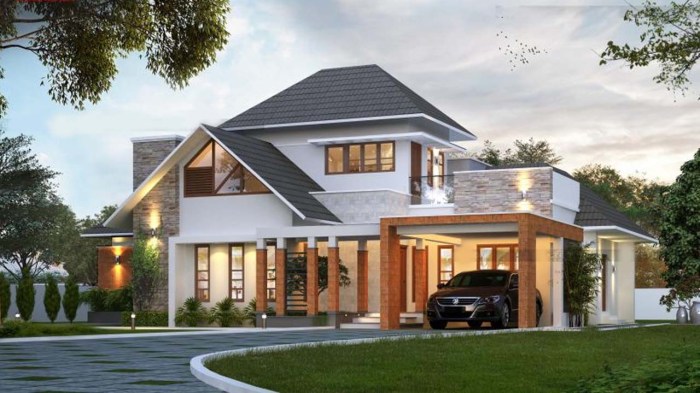
Home office design trend is revolutionizing the way we perceive and create our workspaces at home. As remote work becomes more prevalent, the aesthetics and functionality of home offices are evolving to reflect personal style while enhancing productivity.
From innovative furniture solutions to smart technology integration, today’s home office designs are all about functionality without sacrificing style. Key elements like color schemes and lighting play a crucial role in influencing mood and focus, ensuring that these spaces are not only comfortable but also conducive to getting work done efficiently.
Home Office Design Trends
The trend of home office design has experienced a significant transformation in recent years, driven largely by the shift to remote work. Individuals are now seeking spaces that not only enhance productivity but also reflect their personal style and comfort. This evolution in design prioritizes functionality and aesthetics, ensuring that workspaces are both efficient and inviting.
Current Popular Styles
Modern home office designs draw inspiration from various styles, each offering unique features that cater to different preferences. Minimalist, industrial, and Scandinavian designs are among the most favored. These styles emphasize clean lines, natural materials, and ample light, creating a calming environment conducive to focus and creativity.
Key Features for Productivity
Several key features enhance productivity in a home office setting:
- Ergonomic Furniture: Adjustable desks and supportive chairs reduce discomfort during long working hours.
- Organizational Tools: Shelves, filing cabinets, and desk organizers help maintain an orderly workspace, minimizing distractions.
- Soundproofing: Incorporating materials that dampen sound can create a quieter environment, allowing for better concentration.
Impact of Color Schemes and Lighting
The choice of color schemes and lighting plays a critical role in influencing mood and focus within a home office. Soft, neutral colors evoke a sense of calm, while vibrant accents can inspire creativity. Additionally, natural light is essential; it not only reduces eye strain but also boosts overall morale. Layered lighting, combining ambient, task, and accent lights, provides flexibility for different working conditions.
The Role of Smart Home Technology
Smart home technology has become an integral part of creating an efficient home office. These devices streamline work processes and enhance the overall workspace experience.
Essential Smart Home Devices
Key smart home devices that benefit a home office setup include:
- Smart Speakers: Devices like Amazon Echo or Google Nest can assist with scheduling and reminders through voice commands.
- Smart Thermostats: Maintaining a comfortable temperature can enhance focus and productivity.
- Smart Lighting: Adjustable lighting that can change color or brightness based on time of day supports better work habits.
Comparison of Automation Tools
A comparison of various automation tools reveals their effectiveness in enhancing work efficiency:
| Tool | Features | Benefits |
|---|---|---|
| IFTTT | Connects multiple devices for seamless operation | Saves time through automation of repetitive tasks |
| Zapier | Automates workflows between apps | Increases productivity by reducing manual input |
| Smart Plugs | Controls power to devices remotely | Allows scheduling and energy savings |
Optimizing Workspace Ergonomics
Smart technology can significantly optimize workspace ergonomics. For instance, using smart desks that can adjust height automatically encourages users to change positions throughout the day. Devices that remind users to take breaks or stretch can prevent fatigue and strain.
Influence of Real Estate Market Trends
The growing acceptance of remote work has led to significant shifts in the real estate market, particularly concerning home office spaces.
Impact on Property Value
Home office trends have shown to positively affect property value, with homes featuring dedicated office spaces commanding higher prices. Buyers increasingly prioritize properties that can accommodate a functional workspace, recognizing the importance of work-from-home arrangements.
Sought-After Regions for Home Office Spaces
Certain regions have become hotspots for home office spaces, where demand outstrips supply. Areas with a strong telecommuting culture, such as urban suburbs and tech-centric cities, see higher interest in homes that provide the necessary infrastructure for remote work.
Correlation with Remote Work Demand
The increase in remote work has shifted real estate demand towards properties that facilitate this lifestyle. This trend is evident as more buyers seek homes that offer separate office spaces, further emphasizing the importance of a well-designed work environment.
Real Estate Investment Opportunities
Investing in properties with dedicated home office spaces presents unique opportunities for substantial returns.
Returns on Investment
Properties with well-designed home office spaces can yield higher rental incomes and resale values. Investors are increasingly recognizing the value of such spaces as more individuals prioritize remote work options.
Financing Options
A variety of financing options are available for homes designed with workspaces, including traditional mortgages and specific loans targeted at home modifications. Programs promoting energy efficiency and smart home technology can also provide financial incentives.
Key Factors for Investment
When considering investments in homes tailored for remote work, key factors include:
- Location: Proximity to urban centers and essential amenities can enhance the property’s value.
- Space Optimization: Well-utilized space that integrates home offices seamlessly is more attractive to buyers.
- Future Trends: Anticipating changes in work habits and technological advancements can inform better investment decisions.
Commercial Real Estate Adaptations
The rise of remote work has also influenced commercial real estate designs, prompting a reevaluation of traditional office spaces.
Impact on Commercial Designs
Commercial real estate is adapting to the new normal by redefining office layouts to accommodate hybrid working models. Open spaces that encourage collaboration and flexibility are becoming more prevalent, reflecting the needs of a modern workforce.
Comparison of Office Spaces
A comparison between traditional office spaces and modern adaptive home office setups shows a clear shift in design preferences:
| Criteria | Traditional Office Spaces | Modern Home Office Setups |
|---|---|---|
| Layout | Fixed cubicles and private offices | Flexible, multifunctional spaces |
| Technology | Basic tech setups | Integrated smart devices and ergonomic solutions |
| Environment | Standardized decor | Personalized and comfortable |
Trends in Leasing
Leasing trends in commercial spaces are shifting as companies reevaluate their real estate needs. Short-term leases and shared office spaces are increasingly popular, providing flexibility for businesses adapting to remote work strategies.
Luxury Homes and Home Office Integration
Luxury homes are increasingly incorporating innovative home office designs, focusing on high-end amenities that cater to the modern professional.
Examples of Luxury Home Designs
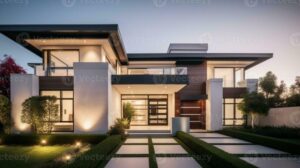
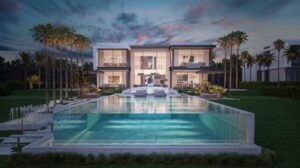
Many luxury properties now feature dedicated office spaces designed with premium materials and state-of-the-art technology. For instance, homes with custom-built libraries or rooftop offices provide stunning views and an inspiring work environment.
Demand for High-End Amenities
There is a rising demand for high-end amenities within home office spaces, including advanced sound systems, high-speed internet connectivity, and sophisticated lighting controls. These features not only enhance productivity but also make working from home a more enjoyable experience.
Adapting Luxury Real Estate
Luxury real estate is adapting to incorporate work-from-home solutions by redesigning spaces that can seamlessly transition between leisure and work. High ceilings, large windows, and outdoor workspaces are just some examples of how these properties are evolving to meet new demands.
Future of Home Office Design
The future of home office design looks promising, with several emerging trends set to shape the work-from-home environment.
Upcoming Trends
Based on current observations, upcoming trends in home office design include:
- Biophilic Design: Incorporating natural elements like plants and water features to enhance wellbeing.
- Modular Furniture: Furniture that can be easily reconfigured to adapt to different tasks and work styles.
- Hybrid Spaces: Designs that allow for both work and relaxation, creating a balanced environment.
Emerging Technologies
Emerging technologies such as augmented reality (AR) and virtual reality (VR) are expected to influence future home office environments. These technologies can create immersive working experiences, enhancing collaboration and productivity.
Role of Sustainability
Sustainability will play a crucial role in future home office designs. Features like energy-efficient lighting, sustainable materials, and smart energy management systems will not only reduce environmental impact but also lower operating costs, appealing to eco-conscious consumers.
Ending Remarks
In summary, the home office design trend represents a significant shift in how we view our working environments. As we embrace remote work, investing in well-designed home offices can enhance productivity and even boost property values. Staying ahead of these trends will ensure you create a workspace that is both practical and inspiring.
Query Resolution
What are the current popular styles in home office design?
Current popular styles include minimalistic, modern, and eco-friendly designs that prioritize sustainability and simplicity.
How can I improve productivity in my home office?
To enhance productivity, focus on ergonomic furniture, proper lighting, and a clutter-free environment.
What smart home devices are essential for a home office?
Essential devices include smart speakers, automated lighting, and temperature control systems that create a comfortable and efficient workspace.
How does home office design impact property value?
Well-designed home office spaces can significantly increase property value by appealing to the growing demand for remote work environments.
What are the emerging trends in home office design?
Emerging trends include flexible workspaces, the use of biophilic design, and increased integration of technology to facilitate remote work.