Adaptive reuse developments offer a transformative approach to real estate, breathing new life into old structures while preserving their historical significance. This innovative concept not only revitalizes communities but also promotes sustainability by repurposing existing buildings instead of resorting to new constructions.
Through a combination of creativity and practicality, these projects showcase how outdated spaces can become vibrant hubs for living and working, all while reducing environmental impact. With numerous examples highlighting success stories across various sectors, the appeal of adaptive reuse continues to grow in today’s market.
Definition and Concept of Adaptive Reuse Developments
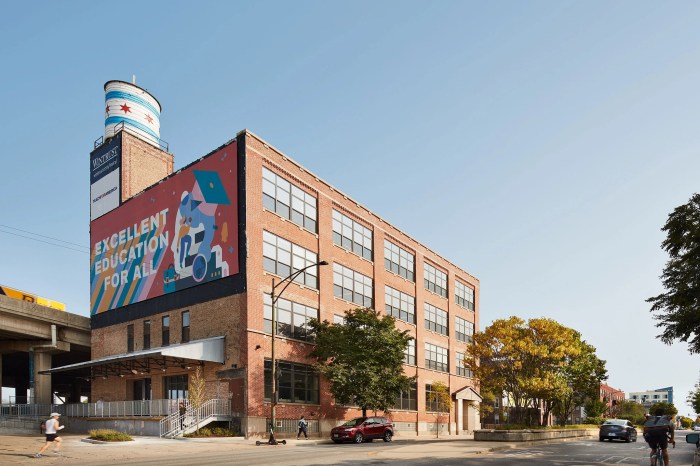
Adaptive reuse refers to the practice of repurposing old buildings for new uses while retaining their historic features. This concept is gaining traction in real estate as a sustainable alternative to new construction, allowing communities to preserve their architectural heritage while meeting modern needs. Notable examples include the transformation of factories into loft apartments and the conversion of churches into community centers, showcasing the versatility of adaptive reuse.One significant project is the High Line in New York City, which turned an abandoned elevated railway into a vibrant public park.
This project not only revitalized the surrounding neighborhood but also became a model for urban renewal. The benefits of adaptive reuse extend beyond aesthetics; they contribute to lower environmental impact, as preserving existing structures reduces waste and the demand for new materials. Communities benefit from preserved cultural heritage and increased foot traffic, while the environment gains from reduced carbon footprints.
Economic Impact of Adaptive Reuse Developments
Adaptive reuse developments provide substantial economic benefits to local communities. By revitalizing underused or vacant properties, these projects can enhance property values, increase tax revenues, and create jobs. Developers engaging in adaptive reuse often benefit from various financial incentives, such as tax credits, grants, and zoning allowances designed to encourage sustainable development.When comparing the costs of new construction versus adaptive reuse, it’s essential to consider several factors.
While adaptive reuse can involve higher upfront costs due to renovation and compliance with modern codes, it often results in lower overall expenditures. This is largely because adaptive reuse projects can avoid costs associated with site preparation and new materials.
Regulatory and Zoning Considerations
Navigating the regulatory landscape is crucial for successful adaptive reuse developments. Developers may encounter zoning challenges, as existing designations may not align with the intended new use. Zoning laws can restrict the types of activities permitted in certain buildings and areas, making it necessary for developers to pursue variances or rezoning applications.Developers can streamline the permitting process by engaging early with local planning departments and community stakeholders.
Familiarity with local regulations and proactive communication can significantly ease the path toward successful project approval.
Sustainable Practices in Adaptive Reuse
Sustainability is a core component of adaptive reuse, with projects often focusing on minimizing environmental impact. By repurposing existing buildings, developers can significantly reduce construction waste and energy consumption associated with new builds. This practice contributes directly to lowering carbon footprints, as maintaining and updating old structures typically consumes less energy than demolishing and rebuilding.Examples of sustainable materials commonly used in adaptive reuse projects include reclaimed wood, recycled steel, and low-VOC paints.
These materials not only help in achieving sustainability goals but also enhance the aesthetic appeal of the renovated spaces.
Real Estate Market Trends Related to Adaptive Reuse
Current trends in the real estate market favor adaptive reuse developments, particularly in urban areas where space is limited and the demand for innovative living solutions is high. Urbanization and shifts in demographics, such as millennials seeking unique living experiences, have led to a growing interest in properties that blend historic charm with modern amenities.When comparing adaptive reuse developments to traditional real estate investments, the former often attract a niche market willing to pay a premium for character and sustainability.
This trend is particularly evident in areas experiencing gentrification, where adaptive reuse projects can spur additional economic activity.
Adaptive Reuse in Commercial Real Estate
In the commercial real estate sector, adaptive reuse plays a pivotal role in reshaping urban landscapes. Many former industrial sites have been transformed into trendy offices, coworking spaces, and retail establishments, significantly altering local economies. For instance, the transformation of a former factory into a thriving mixed-use development can create a hub for businesses and attract foot traffic.The impact of adaptive reuse on demand for retail and office space is profound.
As businesses increasingly seek unique and flexible spaces, adaptive reuse offers a solution that aligns with contemporary workplace trends, including open layouts and sustainability initiatives.
Luxury Homes and Adaptive Reuse
Luxury homes can also benefit from adaptive reuse, with many high-end properties emerging from formerly industrial or commercial spaces. These transformations often enhance the value of the real estate, as buyers are drawn to the uniqueness and character of repurposed buildings.Design elements that appeal to luxury buyers in adaptive reuse projects include open floor plans, high ceilings, and the preservation of original architectural details.
Such features not only enhance the aesthetic appeal but also contribute to the overall narrative of the property.
Role of Smart Home Technology in Adaptive Reuse
The integration of smart home technology in adaptive reuse developments offers a modern touch to historic properties. By incorporating smart features such as automated lighting, climate control, and security systems, developers can enhance the living experience while preserving the building’s historic charm.The benefits of smart home features for adaptive reuse properties are numerous, including increased energy efficiency, convenience, and appeal to tech-savvy buyers.
Notable examples of adaptive reuse projects that effectively incorporate smart home technology illustrate how these features can blend seamlessly with historic architecture.
Challenges and Risks of Adaptive Reuse Developments
Developers often face common challenges when undertaking adaptive reuse projects, including structural limitations and unexpected costs associated with renovations. Additionally, the risks associated with adaptive reuse investments can include fluctuating market demand and regulatory hurdles.To mitigate these risks, developers can conduct thorough feasibility studies and engage with local experts to better understand the market landscape and regulatory environment. Strategic planning, combined with a deep understanding of the building’s history and potential, can significantly enhance the likelihood of success in adaptive reuse initiatives.
Final Review
In conclusion, adaptive reuse developments represent a forward-thinking solution that benefits both communities and the environment. As urban areas evolve, the emphasis on sustainability and historical preservation will drive more developers to embrace this approach, ultimately reshaping the real estate landscape for the better.
Frequently Asked Questions
What is adaptive reuse?
Adaptive reuse is the process of redesigning and repurposing existing buildings for new uses while preserving their historical and architectural features.
What are the benefits of adaptive reuse?
Benefits include environmental sustainability, cost savings on construction, preservation of cultural heritage, and the revitalization of communities.
How does adaptive reuse impact property values?
Adaptive reuse can enhance property values by attracting new tenants and buyers interested in unique, character-rich spaces.
What challenges do developers face with adaptive reuse?
Challenges include regulatory hurdles, zoning restrictions, and potential structural issues with older buildings.
Are there financial incentives for adaptive reuse projects?
Yes, many local and federal programs offer tax credits, grants, and loans to encourage adaptive reuse developments.