Green mortgage adoption is reshaping the landscape of real estate financing, providing a pathway for homeowners and investors to contribute to environmental sustainability while enjoying financial benefits. As more individuals become aware of their carbon footprints, the demand for eco-friendly financing options has surged, paving the way for greener living.
This trend not only benefits the environment but also offers cost savings and increased property values, making it a win-win for all parties involved. With growing statistics reflecting the adoption rates and the evolving market dynamics, understanding green mortgages is essential for anyone looking to invest in sustainable real estate.
Green Mortgage Adoption Overview
Green mortgages are specialized lending options designed to promote energy-efficient and environmentally friendly homes. These mortgages support the financing of properties that meet certain sustainability criteria, driving innovation in the real estate sector. They play a crucial role in reducing carbon footprints and promoting sustainable living practices among homeowners. As the importance of sustainable real estate continues to grow, green mortgages present a vital avenue for both buyers and lenders looking to make environmentally responsible decisions.Current statistics indicate that green mortgage adoption is on the rise, with a notable increase in the number of lenders offering these options.
According to recent reports, approximately 20% of all new mortgage loans in the U.S. now incorporate green financing features. The benefits of adopting green mortgages extend to both homeowners and lenders. Homeowners can enjoy lower energy costs, access to government incentives, and potential increases in property value. Meanwhile, lenders benefit from reduced risk due to the long-term sustainability of these properties and increased borrower satisfaction.
Impact on Real Estate Investment
The influence of green mortgages on real estate investment decisions is increasingly significant. Investors are now prioritizing properties that not only promise financial returns but also align with sustainable practices. Properties financed through green mortgages often include energy-efficient buildings, solar-equipped homes, and other environmentally conscious designs.Common property types financed with green mortgages include:
- Single-family homes with energy-efficient upgrades
- Multifamily units that incorporate sustainable building practices
- Commercial properties featuring green certifications like LEED
When comparing return on investment (ROI), properties financed with green mortgages often yield better long-term financial outcomes than traditional mortgages. This can be attributed to lower operating costs and increased market demand for energy-efficient homes.
Real Estate Market Trends
The latest trends in the real estate market indicate a strong shift towards green mortgage adoption. Sustainability is becoming a crucial factor in buyer preferences, directly impacting market dynamics. More homebuyers are willing to pay a premium for properties with eco-friendly features, leading to increased demand for green-certified homes.Predictions for future trends in eco-friendly financing include:
- Growth in government incentives for green mortgage offerings
- Increased availability of green loan products from traditional lenders
- Greater integration of sustainability metrics in property valuations
As these trends continue to evolve, the real estate sector is likely to see a more significant emphasis on eco-friendly financing options.
Integration with Smart Home Technology
The relationship between green mortgages and smart home technology is becoming increasingly intertwined. Smart home technologies, such as energy-efficient appliances, smart thermostats, and solar panels, often qualify for green mortgage financing. These technologies not only enhance the livability of a home but also contribute to its energy efficiency.Examples of technologies that qualify for green mortgage financing include:
- Energy-efficient HVAC systems
- Smart lighting solutions that reduce energy consumption
- Home automation systems that optimize energy use
Integrating smart home technology can significantly enhance property value and lead to substantial energy savings, making properties more attractive to buyers.
Commercial Real Estate and Green Financing
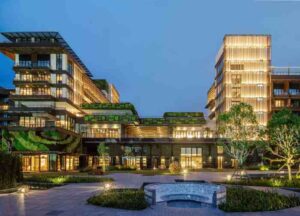
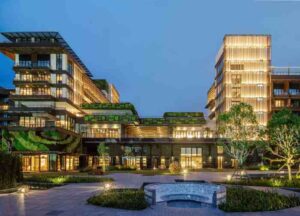
In the commercial real estate sector, green mortgages play a vital role in financing sustainable projects. Many commercial developments now prioritize green financing options to meet the demands of environmentally conscious investors and tenants. Successful examples include LEED-certified office buildings and retail spaces designed with sustainability in mind.The impact of green initiatives on commercial property valuations is noteworthy. Properties that adopt green financing often see increased investor interest, leading to higher market valuations and improved occupancy rates.
Luxury Homes and Green Mortgages
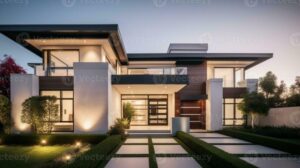
Luxury real estate is increasingly adopting green mortgage options, as affluent buyers seek homes that reflect their commitment to sustainability. Case studies show that luxury homes with eco-friendly features—such as geothermal heating, rainwater harvesting systems, and solar panels—have successfully implemented green mortgage financing.The market performance of luxury homes with green certifications often outpaces their non-certified counterparts. Buyers are willing to invest more in properties that not only offer luxury but also sustainability, enhancing their overall market appeal.
Challenges in Green Mortgage Adoption
Despite the benefits, several barriers hinder the widespread adoption of green mortgages. Among these, the lack of awareness among consumers and limited availability of green mortgage products can significantly impact growth. Policies and regulations also play a critical role, sometimes promoting traditional financing methods over greener alternatives.Strategies to overcome these challenges include increasing educational initiatives for both consumers and lenders about the advantages of green mortgages, as well as advocating for supportive policies that encourage sustainable financing options.
Future of Green Mortgages
Looking ahead, the potential for green mortgage offerings is promising. Innovations in financing options that align with sustainable building practices are likely to emerge. This includes the development of flexible loan terms and enhanced criteria for energy efficiency.A roadmap for stakeholders to enhance green mortgage adoption in the real estate market should focus on collaborative efforts among lenders, policymakers, and environmental organizations.
By working together, they can create a more robust framework for promoting sustainable financing solutions, ultimately leading to a greener future in real estate.
Final Wrap-Up
In conclusion, the rise of green mortgage adoption signifies a transformative shift within the real estate sector, promoting sustainable practices and innovation. As we look toward the future, the integration of eco-friendly financing with advanced technologies and market trends suggests that green mortgages will become an essential component for responsible investment and homeownership.
FAQ Resource
What is a green mortgage?
A green mortgage is a type of loan that offers favorable terms to borrowers who purchase energy-efficient homes or make energy-efficient upgrades to existing properties.
How do I qualify for a green mortgage?
Qualification typically requires the property to meet certain energy efficiency standards, which may be verified through certifications or energy audits.
Are green mortgages available for commercial properties?
Yes, many lenders offer green mortgages for commercial properties that incorporate sustainable practices and technologies.
What are some benefits of green mortgages?
Benefits include lower interest rates, reduced energy costs, potential tax incentives, and increased property value.
What challenges exist in adopting green mortgages?
Challenges include limited awareness, upfront costs for energy-efficient upgrades, and varying lender participation in green mortgage programs.