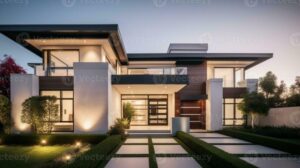
As we navigate through unprecedented times, pandemic design real estate takes center stage, reshaping our living and working environments in remarkable ways. The COVID-19 pandemic has forced us to rethink not only how we occupy spaces but also how these spaces can promote health and wellness.
This transformation is evident in the rise of open layouts and multifunctional spaces that cater to our new lifestyles, blending safety and comfort seamlessly. From smart home technologies to the evolution of commercial properties, the real estate landscape is adapting to meet the challenges of our times.
Pandemic Influence on Real Estate Design
The COVID-19 pandemic has profoundly impacted how we view and design residential and commercial spaces. With a heightened focus on safety and wellness, designers are now more than ever prioritizing features that provide security and comfort. This transformation has ushered in a new era of design trends that cater to the evolving needs of occupants.
Key Features Enhancing Safety and Wellness
In response to the pandemic, several design elements have gained prominence in real estate. These features are not only about aesthetics but are essential for promoting health and well-being in living and working environments. Key aspects include:
- Improved Ventilation Systems: Upgraded HVAC systems with better filtration to enhance indoor air quality.
- Touchless Technology: Incorporation of touchless faucets, smart lighting, and voice-activated devices to minimize contact.
- Dedicated Home Offices: Spaces designed specifically for remote work, promoting productivity and separating work from personal life.
- Outdoor Access: Patios, balconies, and gardens have become essential for providing private outdoor spaces for relaxation.
- Flexible Layouts: Adaptable spaces that can easily transition between different uses, accommodating various activities at home.
Shift Towards Open Spaces and Multifunctional Areas
The design philosophy has shifted significantly towards open spaces and multifunctional areas. The idea is to create environments that can serve multiple purposes, which has become increasingly important in the wake of social distancing norms. This shift allows families to maximize their living spaces while ensuring comfort. For instance, living rooms are now often designed to double as home offices or classrooms.
This flexibility has become a driving force in contemporary home layouts.
Real Estate Market Trends During a Pandemic
The real estate market has witnessed a considerable shift throughout the pandemic, with various metrics reflecting changes in buyer behavior and demand. As people reassess their living situations, these trends have emerged as critical factors influencing property transactions.
Changes in Property Demand and Pricing
Data has shown that the pandemic has instigated notable changes in property demand, particularly in suburban and rural areas. Many urban dwellers are opting for homes with more space, leading to a surge in demand for single-family homes outside city centers. This trend has resulted in:
- Rising Prices: Suburban home prices have surged as demand outstrips supply, with some areas experiencing price increases of over 10% year-over-year.
- Increased Days on Market: Properties in urban environments are taking longer to sell as buyers prioritize space and outdoor amenities.
Impact of Remote Work
The rise of remote work has significantly altered real estate demand dynamics. Many companies have shifted to permanent remote or hybrid work models, which has prompted homebuyers to seek more spacious accommodations. This has further fueled interest in suburban properties, where larger homes and affordable prices are attracting buyers.
Smart Home Technology Integration
With the growing awareness of health and safety concerns, the adoption of smart home technologies has accelerated during the pandemic. These technologies provide enhanced convenience and offer features that promote wellness and security in homes.
Smart Home Features Promoting Health and Safety
As homeowners prioritize health considerations, the integration of smart technologies has become paramount. Some key features include:
- Smart Air Purifiers: Devices that monitor and improve indoor air quality.
- Remote Monitoring Systems: Cameras and sensors that allow homeowners to check on their properties remotely.
- Automated Lighting: Smart lighting that can be controlled via mobile apps, reducing the need for physical switches.
Implications for Home Value
The rise of smart home technology is influencing property desirability and value. Homes equipped with advanced technology are often perceived as more valuable, attracting tech-savvy buyers who are willing to pay a premium for modern conveniences.
Investment Strategies in a Pandemic-Influenced Market
Investing in real estate during uncertain times requires strategic approaches to ensure long-term success. The pandemic has reshaped many traditional investment methodologies.
Effective Investment Approaches
Key strategies that have proven effective in navigating a pandemic-influenced real estate market include:
- Diversification: Investing in a mix of residential, commercial, and industrial properties to spread risk.
- Adaptive Reuse: Converting existing properties for new uses, such as transforming office spaces into residential units.
- Focusing on Essential Services: Investing in properties that cater to essential services, ensuring steady demand even during downturns.
Successful Investments from Previous Pandemics
Historical data illustrates that certain sectors thrive during crises. For instance, during the 2008 financial crisis, multifamily housing and affordable housing investments yielded strong returns, setting a precedent for investors today.
The Evolution of Commercial Real Estate
The pandemic has revolutionized expectations within the commercial real estate sector, compelling businesses to rethink their spatial needs and operational models.
Transforming Commercial Real Estate Expectations
Emerging trends in commercial real estate reflect the need for flexibility and adaptability. Changes include:
- Coworking Spaces: The rise of shared office environments that provide flexibility and reduce costs for businesses.
- Flexible Leasing Options: Short-term leases and adaptable spaces that cater to changing business needs.
Comparison of Pre-Pandemic Versus Post-Pandemic Features
A comparison table illustrating the evolution of commercial property features provides insight into how businesses are adapting to new realities.
| Feature | Pre-Pandemic | Post-Pandemic |
|---|---|---|
| Office Layout | Traditional cubicles | Open spaces with social distancing |
| Leasing Terms | Long-term leases | Flexible, short-term leases |
| Common Areas | Shared amenities | Designated private spaces |
Luxury Homes in a Pandemic Context
The demand for luxury homes has shifted during health crises, with buyers reassessing their priorities and preferences in a new light.
Changes in Demand for Luxury Homes
The pandemic has altered the luxury market, leading to:
- Increased Interest in Outdoor Spaces: Buyers are now looking for properties with expansive outdoor areas for relaxation and recreation.
- Privacy and Security: Luxury properties with gated access and private settings are becoming highly sought after.
Factors Making Luxury Properties Appealing
Luxury properties are increasingly appealing due to their emphasis on comfort, space, and high-end amenities that cater to a lifestyle conducive to remote living.
Future of Luxury Real Estate Post-Pandemic
The trajectory of luxury real estate is poised for transformation as new trends emerge in design and consumer preferences.
Anticipated Trends in Luxury Real Estate
Homebuyers are expected to prioritize sustainability and health features in luxury homes. Anticipated trends include:
- Green Building Practices: Eco-friendly designs and sustainable materials.
- Health-Oriented Amenities: Home gyms, wellness rooms, and advanced air filtration systems.
Market Outlook for Luxury Real Estate
Compared to other segments, luxury real estate is likely to maintain its appeal, especially as high-net-worth individuals seek safe havens that reflect their values and lifestyles. Demand for sustainable and health-focused amenities will become increasingly important, shaping the future landscape of luxury real estate.
Epilogue

In conclusion, the ongoing impact of pandemics on real estate design indicates a shift towards more adaptive, healthy, and multifunctional spaces. As we look ahead, these trends will likely influence how properties are designed, marketed, and appreciated, ensuring that health and wellness remain at the forefront of real estate development.
Common Queries
How has the pandemic changed residential design?
The pandemic has led to a greater emphasis on open spaces, multifunctional areas, and features that enhance safety and wellness in homes.
What are some popular smart home technologies post-pandemic?
Popular smart home technologies include air quality monitors, automated lighting systems, and touchless entry solutions, all aimed at promoting health and convenience.
Are there shifts in investment strategies due to the pandemic?
Yes, investors are increasingly focusing on adaptive reuse of properties and are more cautious in their approaches to capitalize on changing market dynamics.
What luxury features have gained importance during the pandemic?
Features like private outdoor spaces, home offices, and wellness amenities have become more desirable among luxury home buyers.
How has remote work influenced real estate demand?
Remote work has boosted demand for suburban homes as people seek larger spaces and affordable options outside urban centers.